
Advertise Here - contact us to get started today!

FEATURE //

The Traveller’s Medicine Cabinet: 5 Essential Drugs for the Road

by Robert Evans

Robert Evans reviews five nutritional supplements and natural medications every traveler should pack, no matter their destination.

Filed under:
Features, Health, Travel

While out roving you aren’t always (or even often) anywhere near a hospital or pharmacy. But, if you pack these nutritional supplements and natural medications wherever you go, you’ll be able to cope just fine.

#1: Kratom

The Situation

You’re hiking the Appalachian trail in the dead of winter. It’s freezing cold, the terrain is rough, and you’ve got another four hours of trudging through the snow before you reach your destination for the night.

Suddenly the worst happens; your boot gets caught between two rocks, you lose your footing and tumble to the ground, wrenching your ankle in the process. After a loud yelp of pain and several creative obscenities, you manage to sort yourself out and rise back to your feet. You can still walk, but every step is agony. How on earth are you going to make it to town before nightfall?

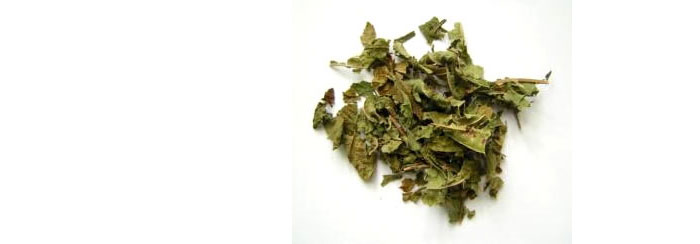
Kratom Leaf
© Miserlou

What It Is

A leafy green plant grown mainly in Southeast Asia.

Uses

First and foremost, Kratom is a powerful painkiller similar to Morphine or Opium. In fact, recent research suggests that Kratom is so similar to opiates that it can replace them during withdrawal. Kratom can also be used as an anti-depressant, analgesic, or a stimulant. It has immunostimulant properties and can also be used to treat diarrhoea.

Side-Effects

Kratom is mildly addictive, about on par with caffeine. You cannot overdose on it, and the only known negative effects from use are nausea and constipation (which is useful when you’re suffering from Montezuma’s revenge.)

Forms

Kratom can be purchased in dried leafy form, as an extract, a resin, or in pill form. It can be brewed into tea, eaten raw, dropped on the tongue (for the resin), or even smoked. You can purchase it here. For ease of packing, I recommend buying it in capsule form.

Legality

Kratom is legal in most of the developed world. Only Thailand, Bhutan, Australia, Finland, Denmark, Poland, Lithuania, Malaysia, and Myanmar have laws against it.

#2: Kava Kava

The Situation

Your wife, your doctor, and your common sense all warned you to take care of your toothache before you went on that three week Elk hunting trip in the mountains of New Zealand. Now you’re miles away from civilization and your jaw feels like its been worked over by the steroid-crazed lovechild of Mike Tyson and Buzz Aldrin. You’d give anything just to numb this pain, but the Tylenol in your first aid kit does nothing to help you.
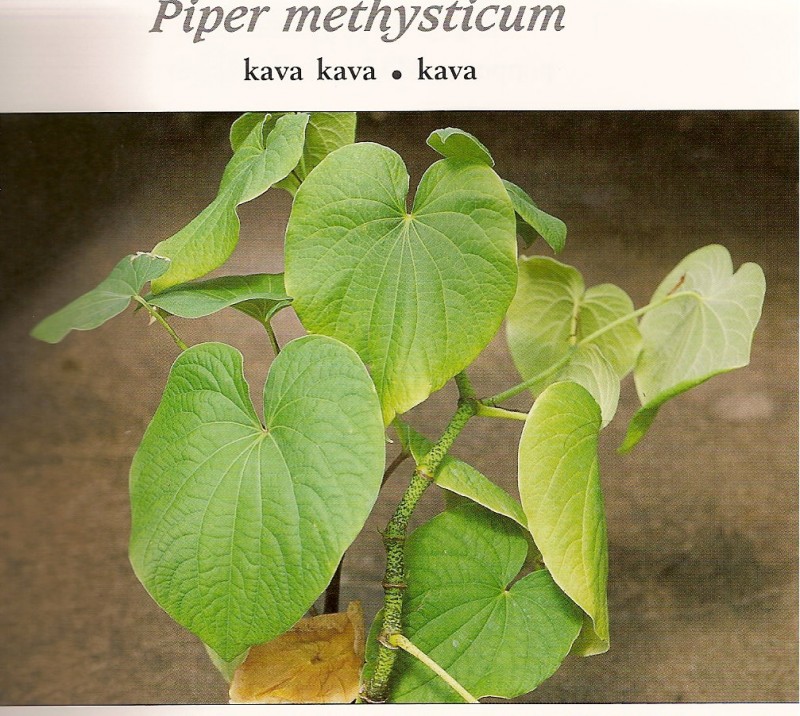
Kava Kava
Kava Kava

What It Is

A leafy green plant grown throughout the Pacific islands.

Uses

Kava can help to treat social anxiety or stress, and also works as a powerful relaxant. A glass of water spiked with Kava extract will knock you out faster than a bottle of whiskey and a copy of The Horse Whisperer.

Kava is also an extremely effective numbing agent. Just smear the powder around your mouth for a while, and you’ll feel its effects. Actually, you won’t feel much of anything at all.

Side-Effects

None to the drug itself. Some supplement manufacturers grind up Kava stems into their pills and powder, which can lead to liver toxicity. Chronic, heavy use can lead to a minor skin rash. Use Kava in moderation, and only buy it from trusted sources.

Forms

Kava Kava can be purchased as a powder, pill, paste, or mixed into a variety of drinks and foods. The Kona Kava farm sells high quality Kava in a dizzying selection of forms. I recommend buying the powder in order to use it as a topical numbing agent.

Legality

Kava is legal everywhere.

#3: Oil of Oregano

The Situation

You’ve just been hit by the perfect storm of traveller’s ailments while backpacking in rural Slovenia. You have a nasty flu, a minor fever and an intestinal parasite twisting your bowels into its own personal playground. What on earth can help you now?
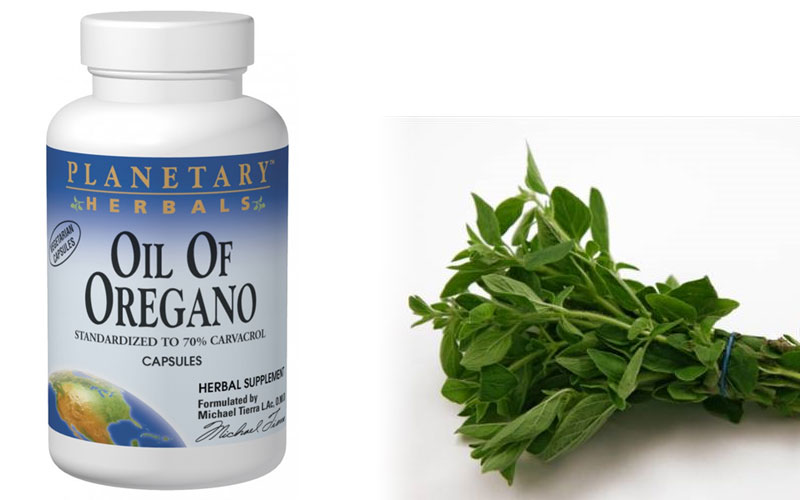
Oil of Oregano
Oil of Oregano

What It Is

Oregano is primarily a culinary herb (of the mint family, if you care about that sort of thing). In addition to being a staple of Italian cuisine, dried Oregano is famous for looking a little like marijuana to people who have never actually seen marijuana.

Uses

Oil of Oregano helps to fight influenza and colds. It is useful in bringing down mild fevers, kills fungal infections, and can help to combat intestinal parasites. If you’re a lady, oil of oregano can be used to relieve painful menstruation. It also makes a fantastic topical antiseptic.

Side-Effects

None.

Forms

You can purchase oil of oregano as an actual oil, or in capsule form. Most health supplement websites carry it, as do stores like Whole Foods.

Legality

Oregano and its oil extract are legal everywhere.

#4: Ginger Root

The Situation

You’ve just committed the #1 Traveller’s Gaffe: you drank the water. That’s extra bad news, considering your diarrhea just kicked in as your boat sailed away from harbor. Now you’re trapped on a barge bound for Costa Rica with diarrhea and seasickness making you their bitch. By the time morning roles around, you’ll be lucky if your bowels are still on the inside.

Ginger Root
Ginger Root © Sanjay Acharya

What It Is

An edible tuber grown across Asia, West Africa, and the Caribbean.

Uses

Ginger compounds are very effective in treating diarrhea, especially the Escherichia coli enterotoxin-induced diarrhea that’s such a common killer in the Third World. Ginger can also be used to treat nausea brought on by seasickness, morning sickness, or chemotherapy.

Side-Effects

Ginger is recognized as safe by the FDA. That said, it can still cause heartburn and nausea if taken in excessive quantities. Remember: a little goes a long way.

Forms

You can buy ginger by the root, or as a powdered extract. Biting into the root does a great job of clearing up a stuffy nose, at the minor cost of making your face burn like the fires of Hades. Ginger root can be bought at pretty much any grocery store. For pills, powders, teas, and supplements, try here.

Legality

Ginger is legal everywhere.

#5: Kanna

The Situation

After four hellish (but wonderful, in that strange way travails often are) trips ’round the globe, you’re finally ready for your return flight home. This is the part of the trip you hate the most. Dangerous animals, strange diseases, and hiking injuries you can deal with, but once you’re on that plane your life is officially out of your hands. It’s enough to make you want to panic.
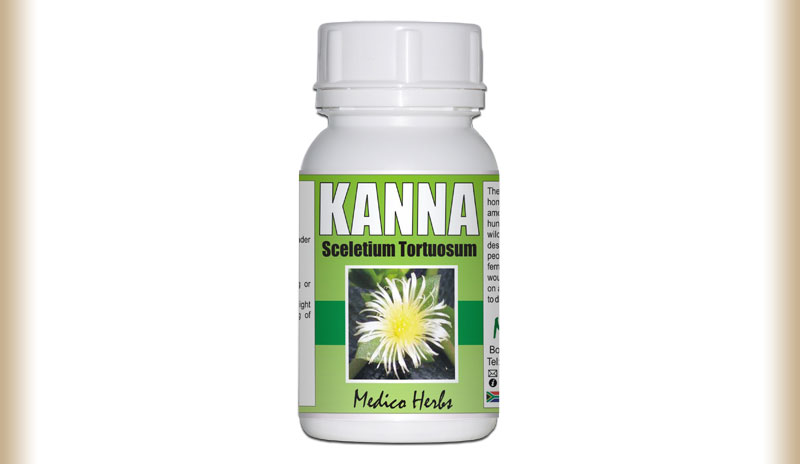
Kanna Capsules
Kanna (Sceletium Tortuosum) Capsules

What It Is

Kanna, or Sceletium tortuosum, as it’s friend’s call it, is an herb found in South Africa. It is one of the oldest intoxicants in human history.

Uses

In high doses (100 mg+), Kanna is a euphoric. In normal doses (50 mg) it acts as a mood elevator and an anti-anxiety medication. It also works as an appetite suppressant, and can lead to tiredness and vivid dreaming. In other words, Kanna is the perfect pre-flight medication.

Side-Effects

There are none listed, but it’s best not to take any mood elevator while already on SSRIs, MAOIs, or other psychiatric medications.

Also, if you happen to be travelling to Amsterdam or Thailand, Kanna has strong synergistic effects with cannabis. Just sayin’.

Forms

Kanna is most often found as a powder. You can eat it, smoke it, or use it the same way you would snuff. I recommend buying from Bouncing Bear Botanicals as they have an excellent selection of Kanna (as well as other legal intoxicants) and great customer service.

Legality

Kanna is legal everywhere.

If you liked this post, subscribe to our full feed RSS. You can also subscribe by email and have new posts delivered directly to your inbox daily.

Learn More

Related topics: Features, Health, Travel

About the Author


Robert Evans makes his living writing about dick jokes and smartphones whilst traveling around the world. He spends most of his time sampling regional intoxicants and trying not to offend anyone dangerous. His hobbies include barefoot running, experimenting with fire poi, and home brewed beer.

Share Your Thoughts

[...] This post was mentioned on Twitter by Vagabondish.com and Ray Metzen, Silvia. Silvia said: Good to know RT: @vagabondish The Traveller’s Medicine Cabinet: 5 Essential Drugs for the Road http://bit.ly/mcShF [...]

Nancy
October 21st, 2009

I’ve bookmarked this e-mail. I was expecting the usual otc drugs to be featured, but was pleasantly surprised that it was all natural drugs. Sweet! I’ve used ginger before, but never any other others. Thanks for the heads up.

Nick
October 22nd, 2009

Interesting post. I was caught off guard to see you give such ‘ethnobotanicals’ an actual practical use in traveling. I think it’s important to note that several of the substances have a rap for being ‘legal highs’ used for recreational purposes, just in case travelers come across this implication when they go to purchase some of these like kratom, kanna, and kava. (this is seen in how most online vendors have disclaimers explicitly stating the items are not for consumption)

needless to say, i’ve sampled a variety of ethnobotanicals, including those above, and have had various experiences (some unpleasant). so like most other medications, i’d highly recommend travelers give them a go before packing them.

and finally – check out erowid.org for detailed information on such substances. even though they focus on recreational usage, erowid’s still a respected source for factual info on drugs

kazari
October 28th, 2009

Ummm… kava may not be illegal, exactly, in australia, but it’s import and sale are strictly controlled. Anyone thinking about bringing it in to the country probably needs to read this:
http://www.alcoholandwork.adf......entID=kava

Mike
October 29th, 2009

I feel young and intrepid just reading this survival guide!.

travelfootnotes
November 7th, 2009

As far as I know, kava is currently half-legal in Canada and banned in France and Switzerland because of some cases of liver toxicity. However, all of those cases are connected with one manufacturer who did not only use the roots of the plant, but toxic parts too. If you buy from a trusted source, you should be ok. Oh, and… I love kava.

John Key
December 24th, 2009

THERE ARE NO ELK IN NEW ZEALAND DUMBASS

milog
December 26th, 2009

Oil of oregano is great. I take it once a day on travels as a preventative measure.
Tea tree oil is one of my essential travel items. I use it to disinfect cuts, treat rashes, as emergency deodorant or as mosquito repellent.

Ben
December 26th, 2009

Kava is not legal everywhere.

“In the UK, the Medicines for Human Use (Kava-kava) (Prohibition) Order 2002 prohibits the sale, supply or import of most derivative medicinal products. Kava is banned in Switzerland, France, and The Netherlands.”

William K Wallace
December 29th, 2009

I think I will stick with travelling with my wee first aid kit, it makes things simpler. I guess your out of luck if none of these plants just happen to be available when you need them….

ab
January 12th, 2010

So… I’m supposed to bring 5!!! different herbs on my next trip, some of which are illegal in some countries, and some of which have weird side-effects?

No thanks. I’ll stick to my travel drugs of choice: Advil (ibuprofen) and Pepto-Bismol. Theyre cheap, safe, and won’t get me any funny looks (or get me arrested).

kroltan
January 14th, 2010

IBUPROFEN SIDE EFFECTS: The most common side effects from ibuprofen are rash, ringing in the ears, headaches, dizziness, drowsiness, abdominal pain, nausea, diarrhea, constipation and heartburn. NSAIDs reduce the ability of blood to clot and therefore increase bleeding after an injury. Ibuprofen may cause ulceration of the stomach or intestine, and the ulcers may bleed. Sometimes, ulceration can occur without abdominal pain, and black, tarry stools, weakness, and dizziness upon standing (orthostatic hypotension) due to bleeding may be the only signs of an ulcer. NSAIDs reduce the flow of blood to the kidneys and impair function of the kidneys. The impairment is most likely to occur in patients who already have impaired function of the kidney or congestive heart failure, and use of NSAIDs in these patients should be cautious. People who are allergic to other NSAIDs, including aspirin, should not use ibuprofen. Individuals with asthma are more likely to experience allergic reactions to ibuprofen and other NSAIDs. Fluid retention (edema), blood clots, heart attacks, hypertension and heart failure have also been associated with the use of NSAIDs.

kroltan
January 14th, 2010

PEPTO-BISMOL SIDE EFFECTS: Nervous system side effects have included weakness, fatigue, depression, anxiety, irritability, insomnia, unsteady gait, motor incoordination, loss of memory, jerky movements, mental confusion, disorientation, difficulty in walking and speaking, tremor, myoclonic jerks, and incontinence. Myoclonic encephalopathy has occurred rarely. It should be noted that nervous system side effects have been the most common feature of bismuth toxicity.

Nervous system toxicity is a common feature of bismuth toxicity. Bismuth toxicity is characterized by the insidious onset of weakness and fatigue, depression, anxiety, irritability, insomnia, unsteady gait, motor incoordination, loss of memory, and jerky movements. Acute toxicity may result in the development of mental confusion, disorientation, difficulty in walking and speaking, tremor, myoclonic jerks, and incontinence.

Myoclonic encephalopathy has occurred in patients who have ingested bismuth for several months to years, but the incidence is very rare. Recovery of patients from bismuth encephalopathy may take several months following discontinuation of use. Bismuth encephalopathy has generally been reported in patients ingesting salts other than subsalicylate.
Other

Salicylism has been reported in patients who chronically ingest bismuth subsalicylate. Common complaints include vertigo, diminished hearing, lethargy, CNS dysfunction, confusion, tinnitus, vomiting, and abdominal pain. Patients may present with respiratory alkalosis and metabolic acidosis, azotemia, and hypoprothrombinemia and platelet dysfunction. The elderly may be particularly vulnerable to the development of salicylism.

Other side effects have included salicylism.
Gastrointestinal

Gastrointestinal side effects have included darkening of the tongue or stool. These effects have been temporary in the majority of cases.

kroltan
January 14th, 2010

I’ll stick with proven and documented natural remedies, thanks. Less side effects!

Lia
January 17th, 2010

Dear Robert Evans,
I am in love with you judging by your description and this website. Thanks for the info, I found it tremendously helpful.

Ashley
January 18th, 2010

I like the idea for Kanna, seeing as I have an anxiety disorder and I’m getting off of what I’m currently on…I’ll have to try this! Thanks :]

Naturegirl
February 7th, 2010

Dear Robert Evans,

I am also in love with you. I am a travel writer, tree planter and fellow barefoot runner, and you have saved my planting season this year – and hopefully offered me some entertainment in the loneliness of the north HAHA

Lauren
February 9th, 2010

I’m a big fan of Kava, had never heard of Kanna. I’ll definitely try it. Thanks for the alternative remedy suggestions!

[...] The Traveller’s Medicine Cabinet: 5 Essential Drugs for the Road [...]

Hayley
March 1st, 2010

ELK hunting in New Zealand????


TWITTER with US


SUBSCRIBE to VAGABONDISH.COM

Via E-mail: